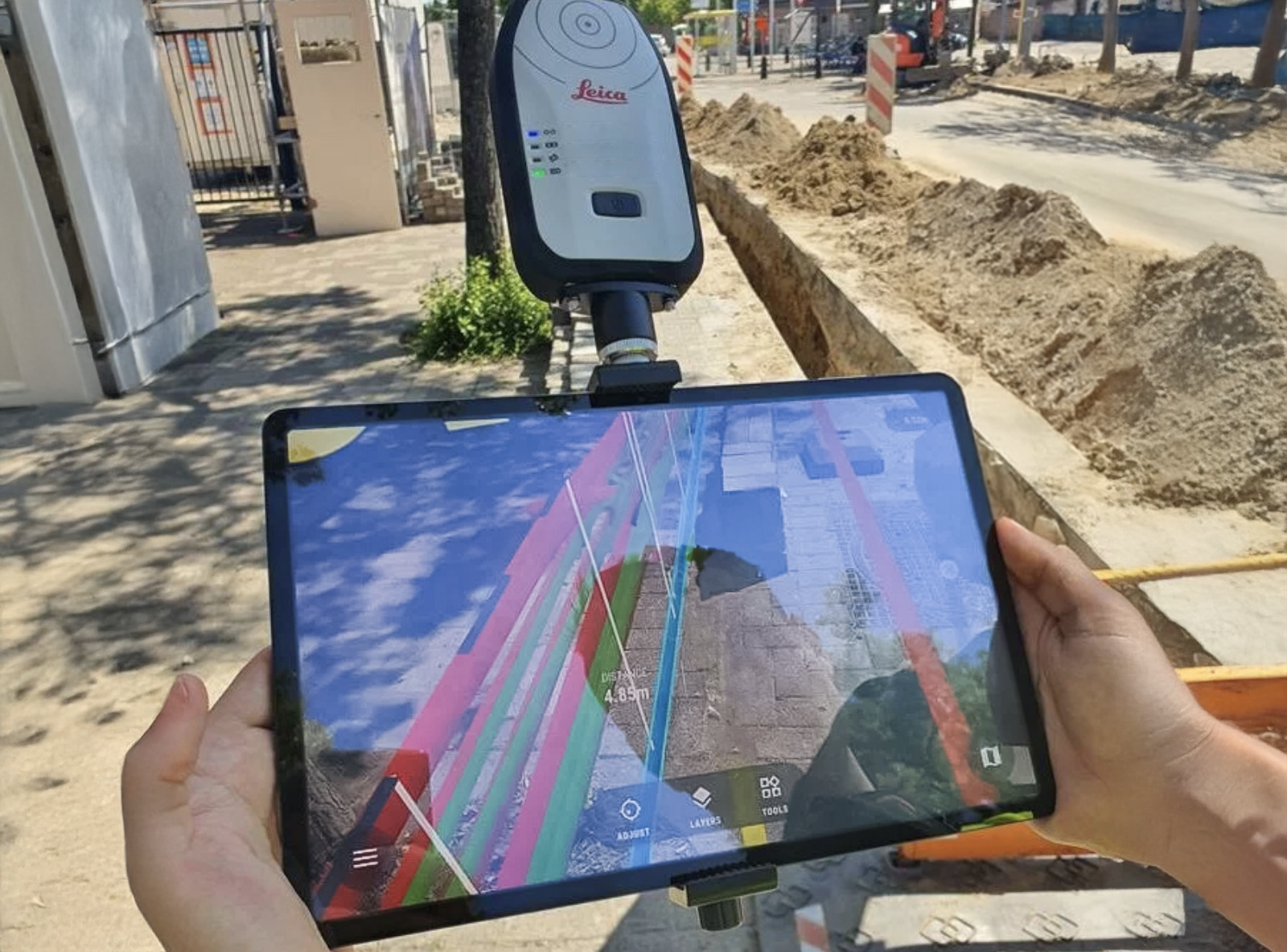
Utility Mapping (GPR) in Dubai and UAE
Utility Mapping (GPR)
We provide GPR utility mapping in Dubai and across the UAE to help locate and document underground services before excavation, drilling, or construction. Ground Penetrating Radar supports safer planning by reducing the risk of utility strikes and unexpected site delays, especially on fast-moving infrastructure and fit-out projects.
Utility Detection
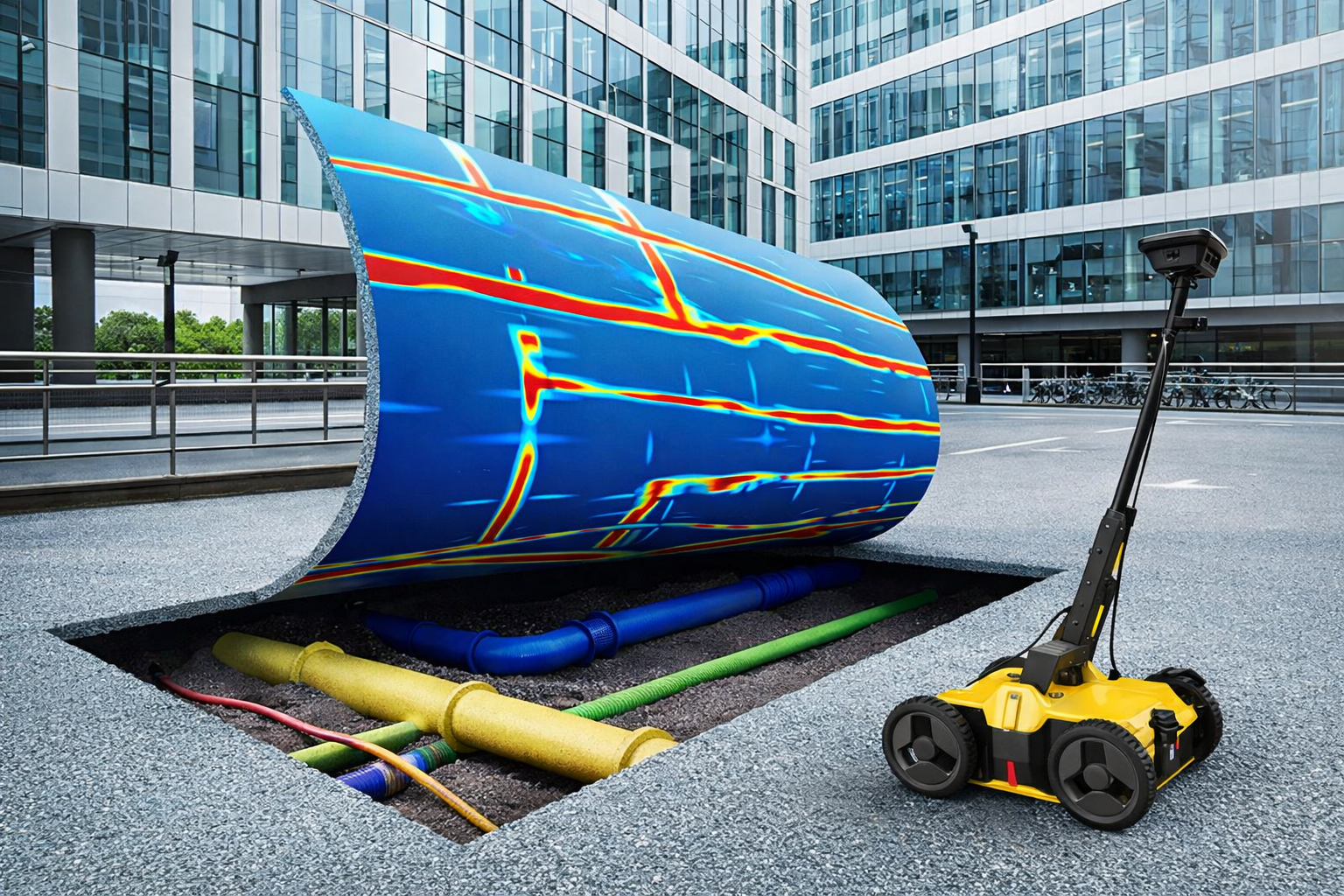
We use GPR to detect subsurface utilities and anomalies where conditions allow, including common buried service corridors. The output helps teams identify likely utility paths early, before opening ground or committing to routes.
Utility detection is typically used during renovation, landscaping, roadworks, and enabling works in the UAE, where legacy documentation may be missing or unreliable. It adds an extra layer of confidence for planning and approvals.
Deliverables can include marked-up site outputs, annotated findings, and mapped indications tied to site references.
Service Tracing
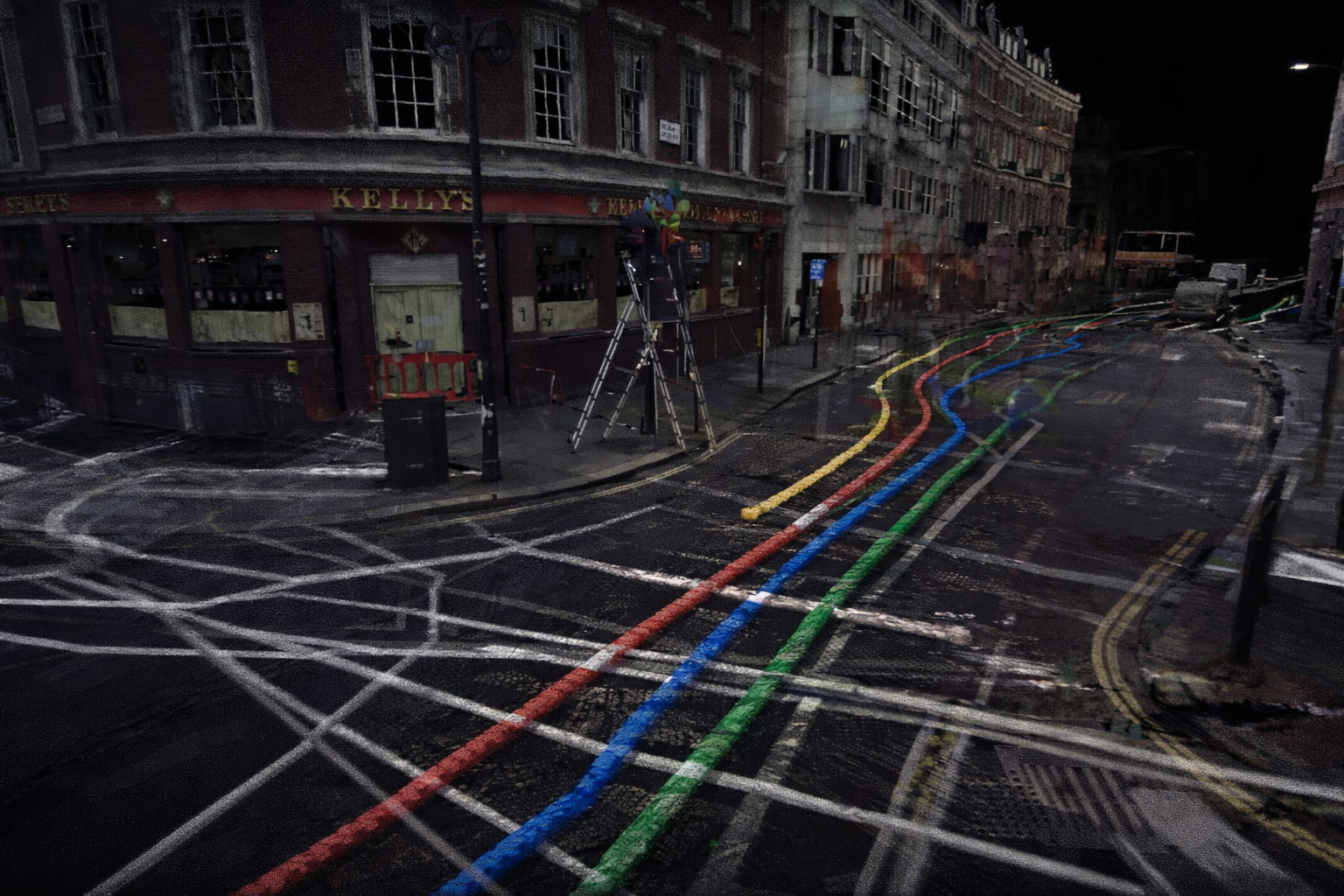
Where a service route needs to be followed, we perform tracing to track the likely alignment of utilities along a corridor or across a site. This is useful for identifying crossings, conflicts, and tie-in locations before trenching or trial pits.
Service tracing supports better coordination between civil, MEP, and contractor teams by reducing “unknowns” during routing and construction sequencing. It’s also valuable for retrofits and brownfield areas.
Results are provided as clear traces and notes suitable for design coordination and site execution.
Utility Plans
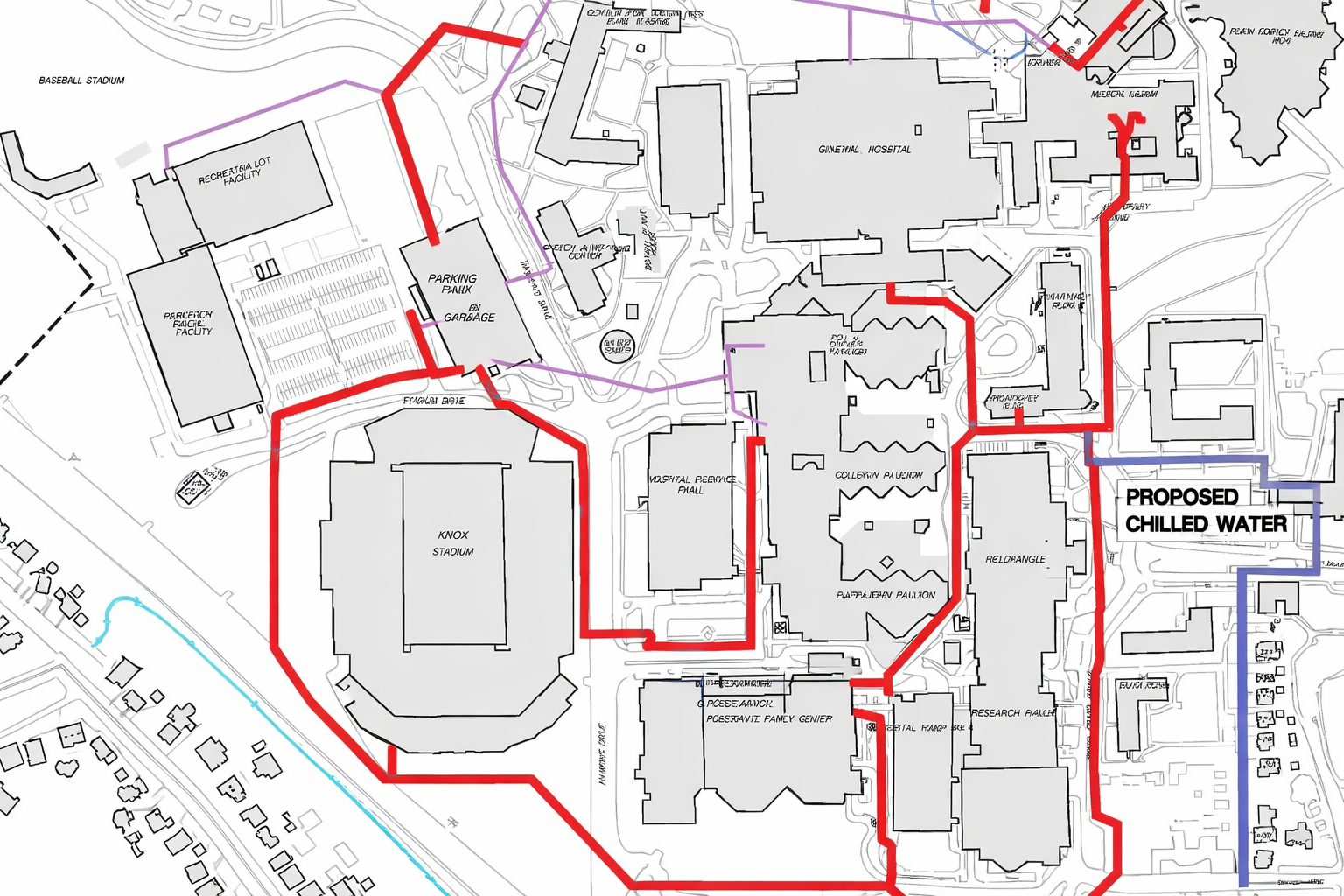
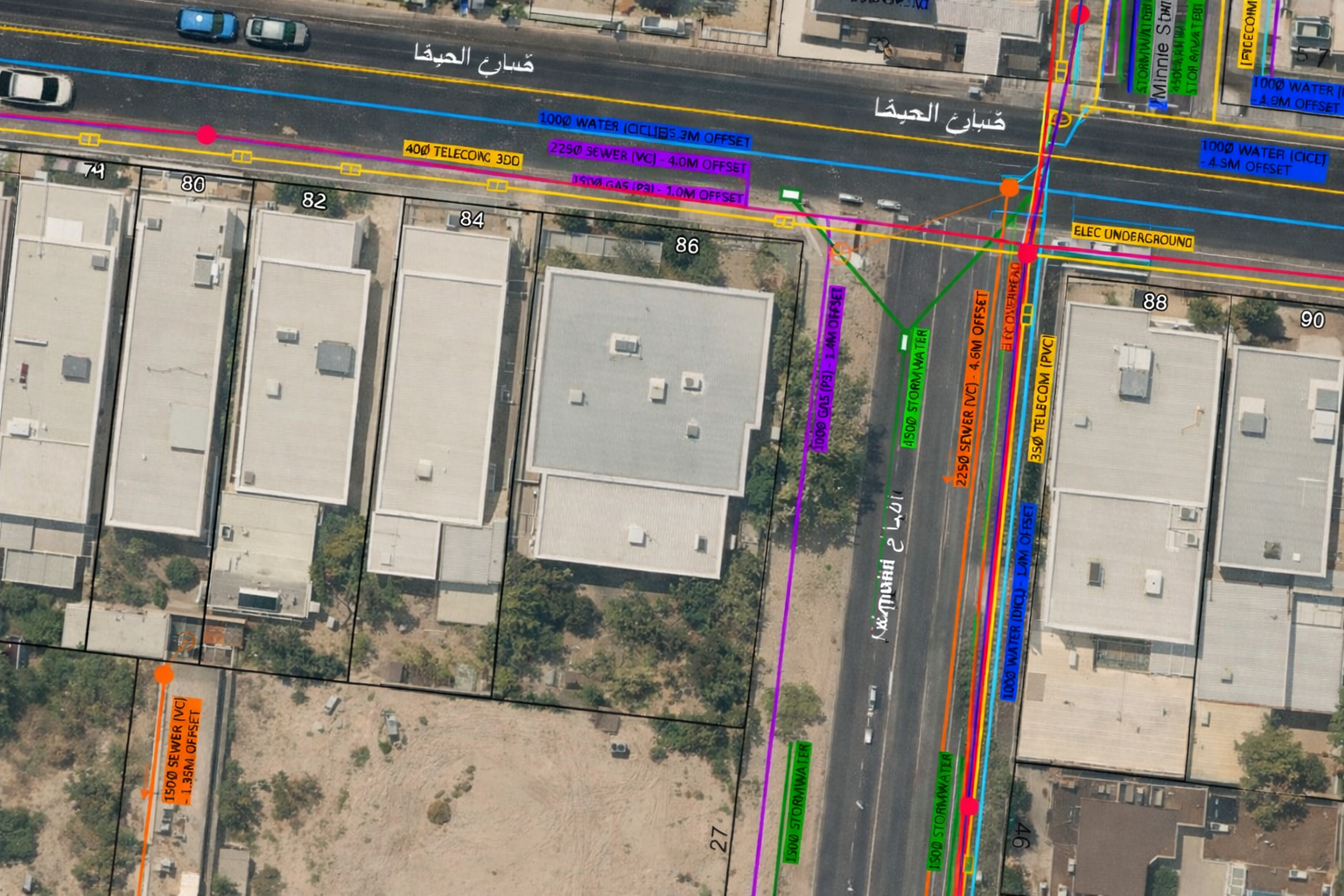
We produce utility plans based on GPR findings, showing detected routes in a readable format for project teams. These plans help designers, consultants, and contractors understand underground constraints and plan safely around them.
Utility plans are commonly used for tendering, construction planning, and approvals documentation in Dubai/UAE, especially when excavation is close to existing services. They also support decision-making on rerouting or protection measures.
Plans can be delivered as PDF/CAD-ready formats depending on your workflow and requirements.
Survey Referencing
To make utility data usable, we reference findings to survey control using GNSS/total station methods when needed. This ensures routes can be reliably set out again on site and integrated into CAD/BIM/GIS workflows.
Survey-referenced mapping is essential when multiple contractors are involved or when works span phases, because it keeps utility information consistent over time. It also supports documentation for stakeholders and approvals.
Deliverables include georeferenced outputs and clear coordinate references aligned to the project’s control.