3D survey / Scan-to-BIM / Digital Twin in Dubai and UAE
3D survey / Scan-to-BIM / Digital Twin
In Dubai and across the UAE, we deliver Scan-to-BIM and digital twin services based on a high-accuracy 3D survey and 3D laser scanning survey. We convert 3D laser scanning point clouds into Revit-ready BIM models for design, coordination, and approvals, so your team works from verified existing conditions instead of assumptions.
Our Scan-to-BIM workflow starts with a 3D laser scanning survey in Dubai, producing a dense point cloud that captures real geometry, levels, and deviations. From this 3D survey dataset, we build a practical BIM environment that supports renovation, fit-out, and construction planning with measurable, audit-ready
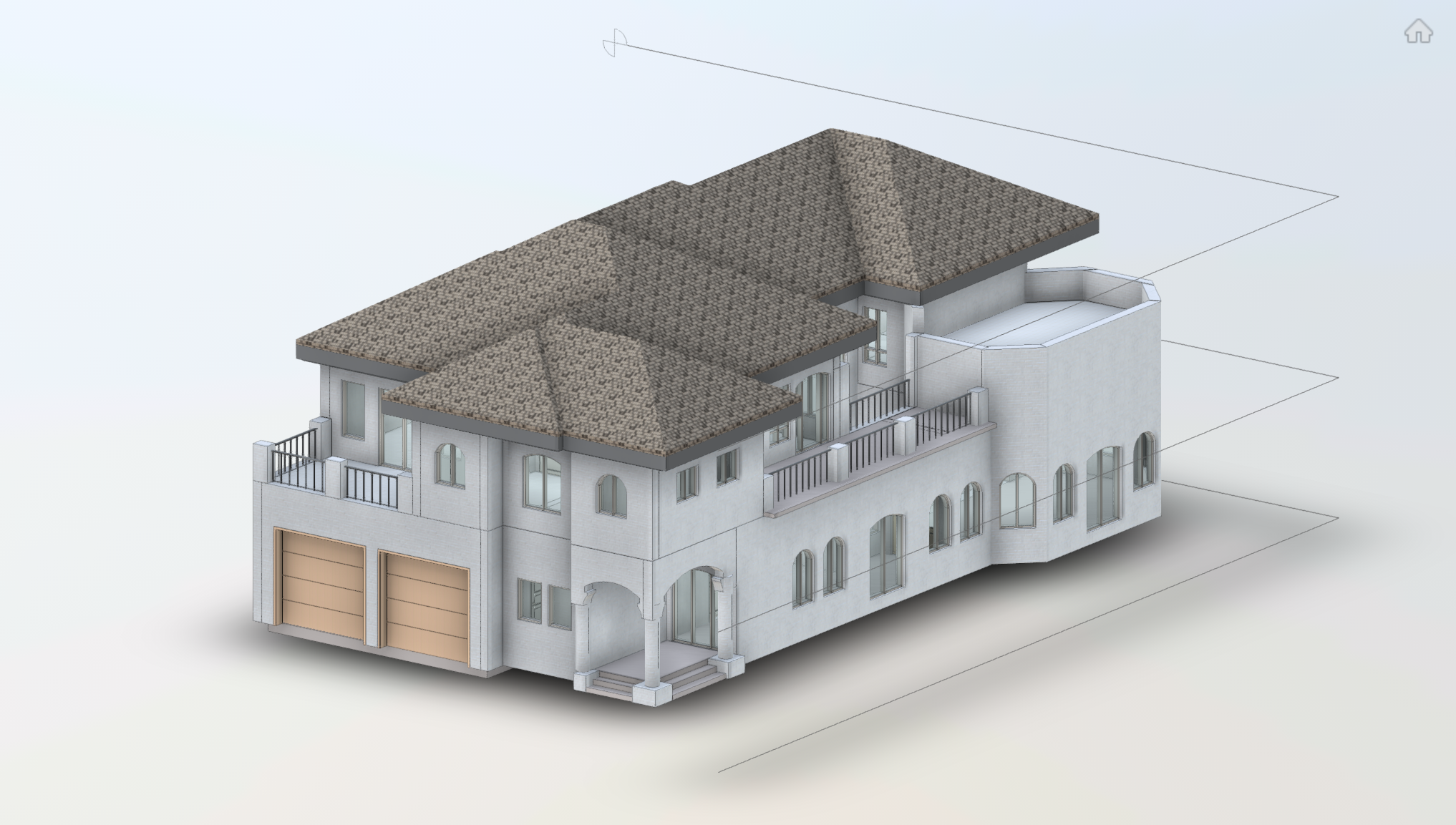
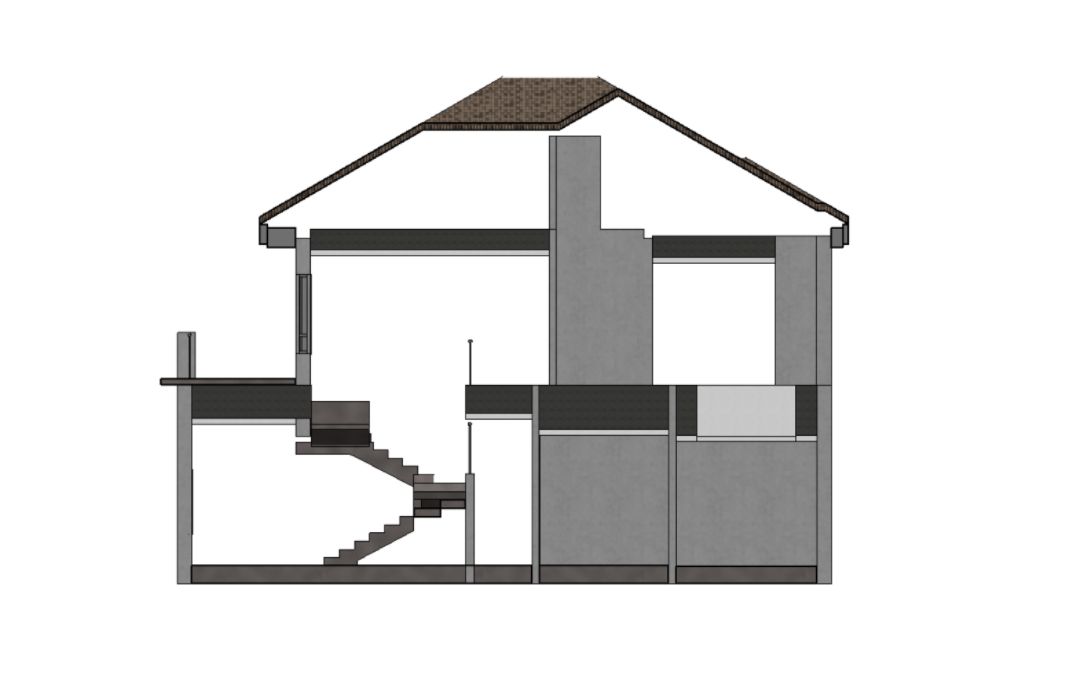
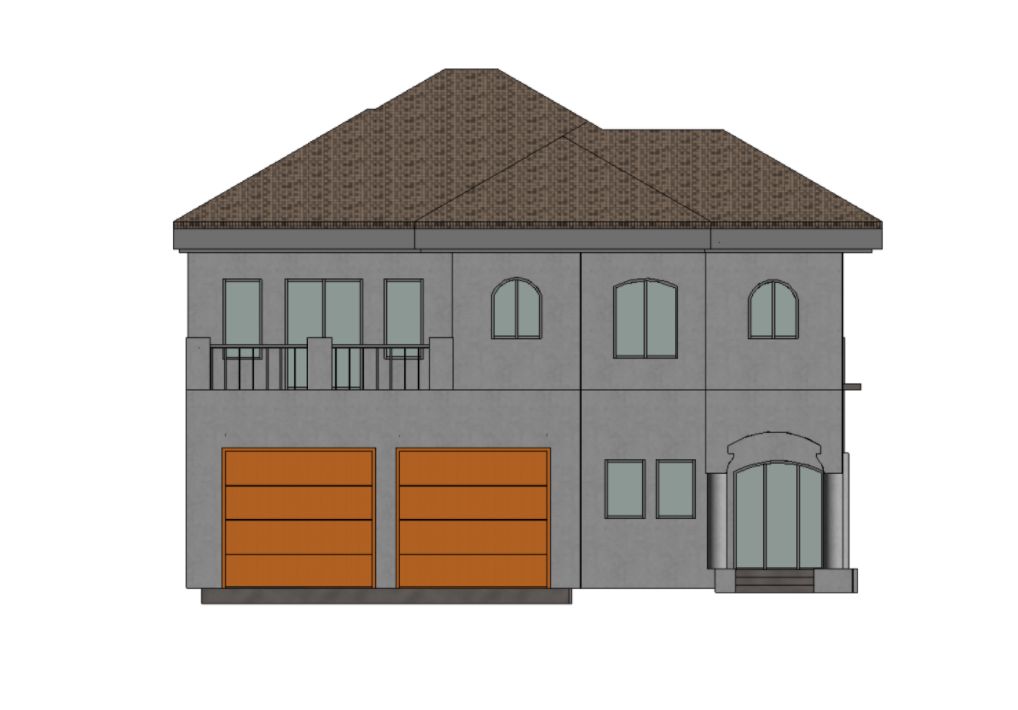
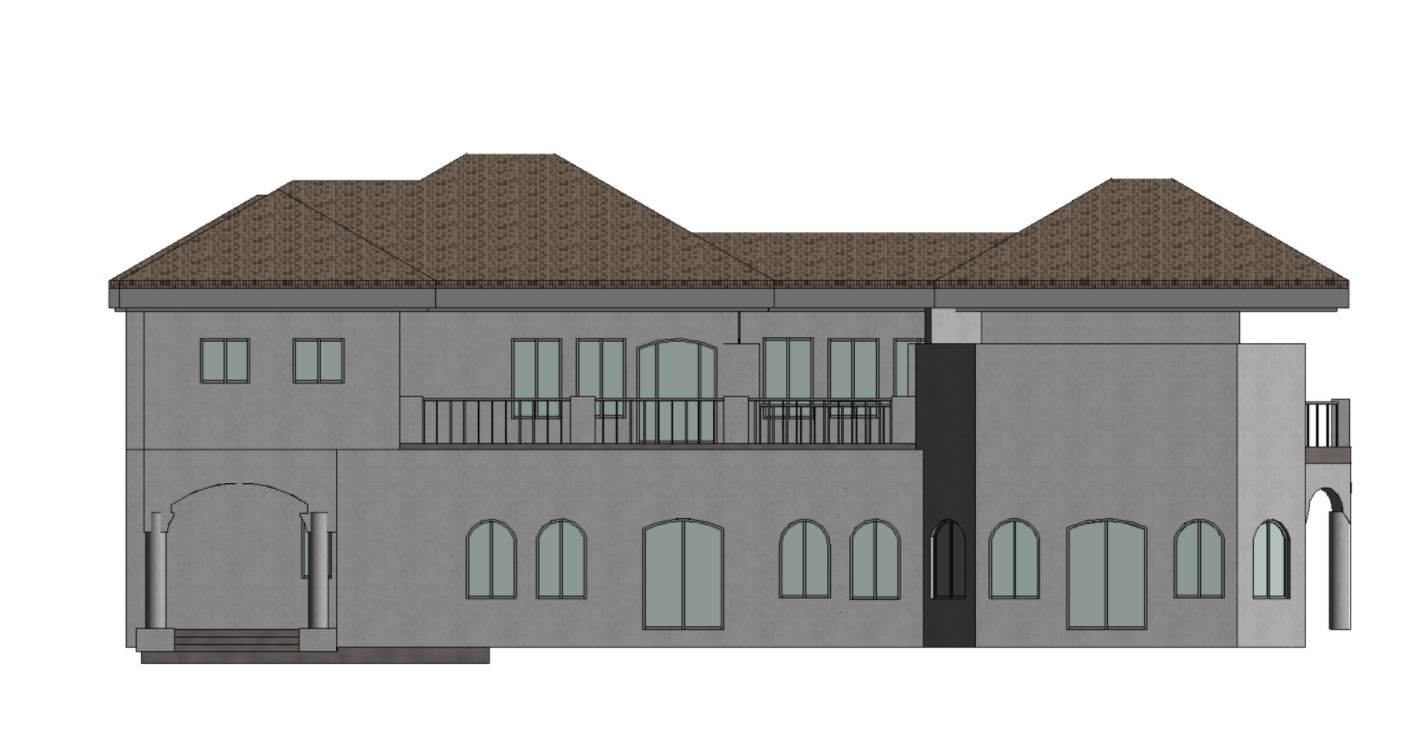
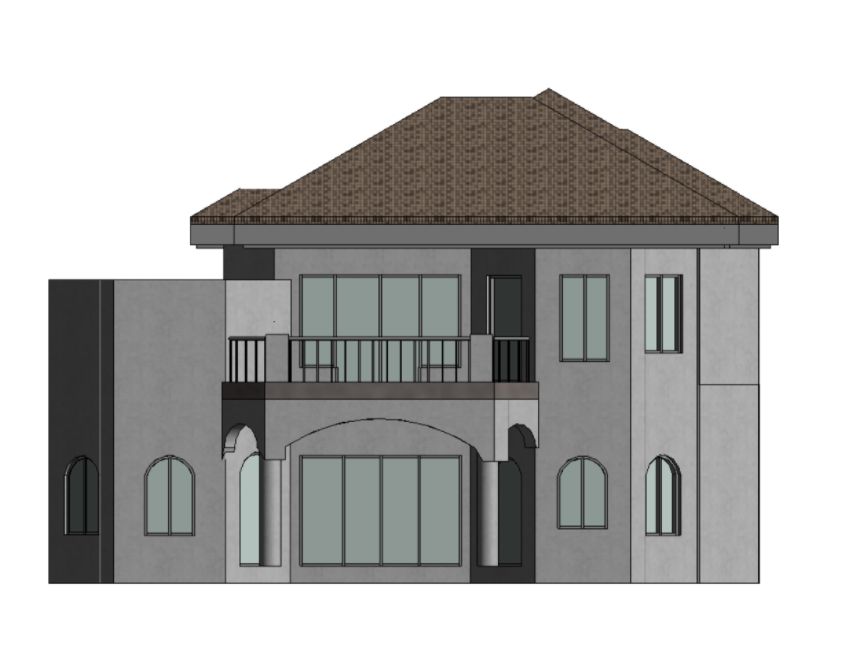
As-Built BIM
We create as-built BIM models in Dubai, UAE from 3D laser scanning and point clouds when existing drawings are missing, outdated, or unreliable. The result is a clean, measurable Revit model that matches the real site condition captured by the 3D laser scanning survey.
Our as-built BIM focuses on core architectural and structural accuracy: correct levels and grids, wall and slab geometry, openings, stairs, and key structural elements. Because the model is derived from a 3D survey, it reflects real deviations—not idealized design intent—so design teams stop guessing.
As-built BIM in Dubai is widely used for renovations, refurbishments, and tenant fit-outs where speed and certainty matter. A scan-based 3D laser scanning survey reduces RFIs and rework by aligning consultants and contractors around one verified digital source of truth.
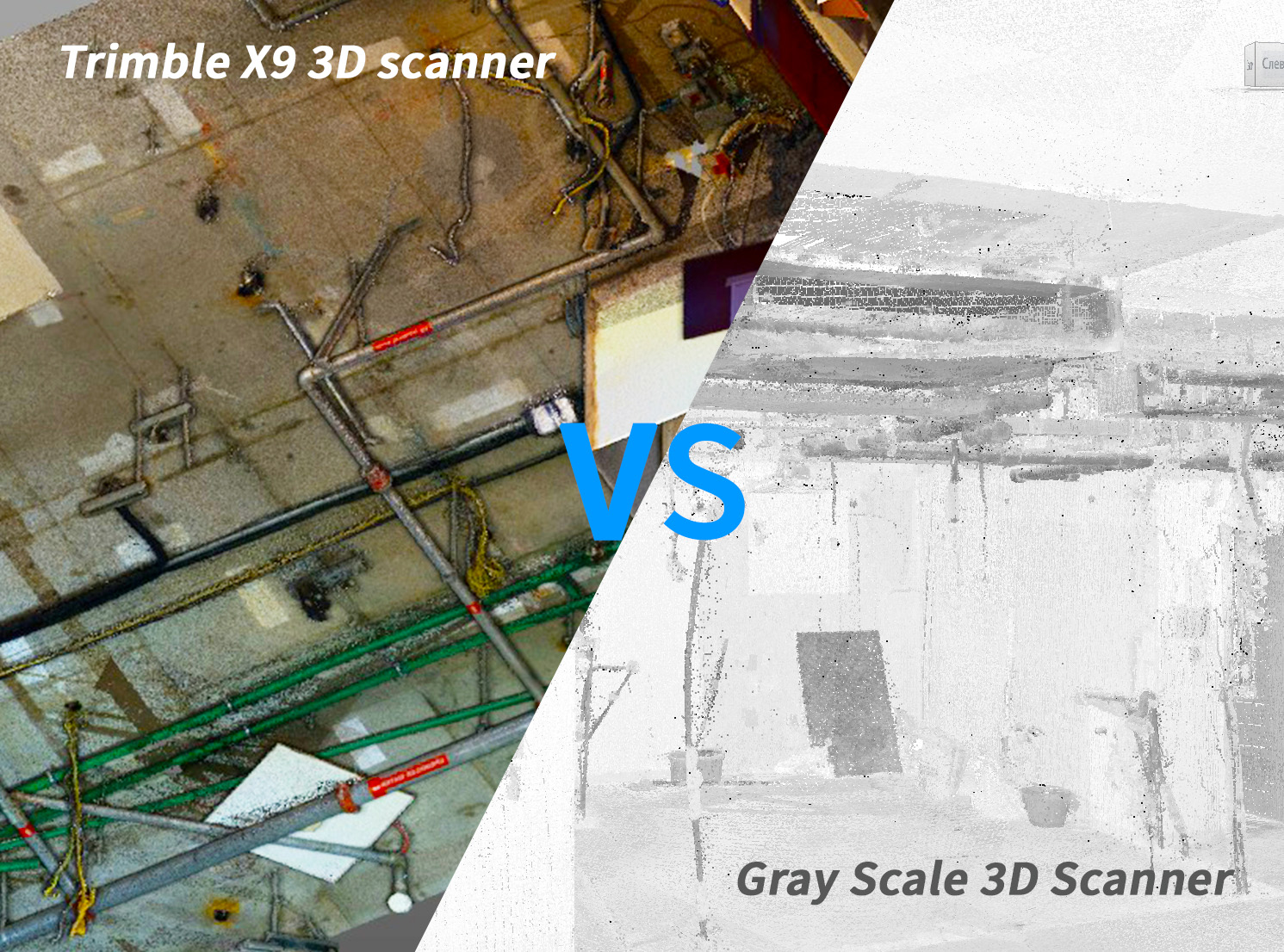
Point Clouds (High-Resolution, Full-Color)
For Dubai 3D laser scanning survey projects, we also deliver premium point clouds as a standalone deliverable. With Trimble X9 we capture up to 1000 kHz (up to 1,000,000 pts/s) with a scan range of 0.6–150 m, producing dense, high-fidelity datasets that stay reliable across large interiors, façades, and complex sites.
Our point clouds are full-color and high-resolution: the X9 uses three calibrated 10 MP cameras with HDR support, capturing images at 3840 × 2746 px each (typically 15 images / 158 MP, or 30 images / 316 MP for higher-quality colorization). This creates clearer, easier-to-interpret point clouds where edges, materials, and MEP elements are more readable, which speeds up Scan-to-BIM, improves as-built accuracy, and reduces interpretation errors during coordination and approvals in Dubai and the UAE.
MEP Modeling
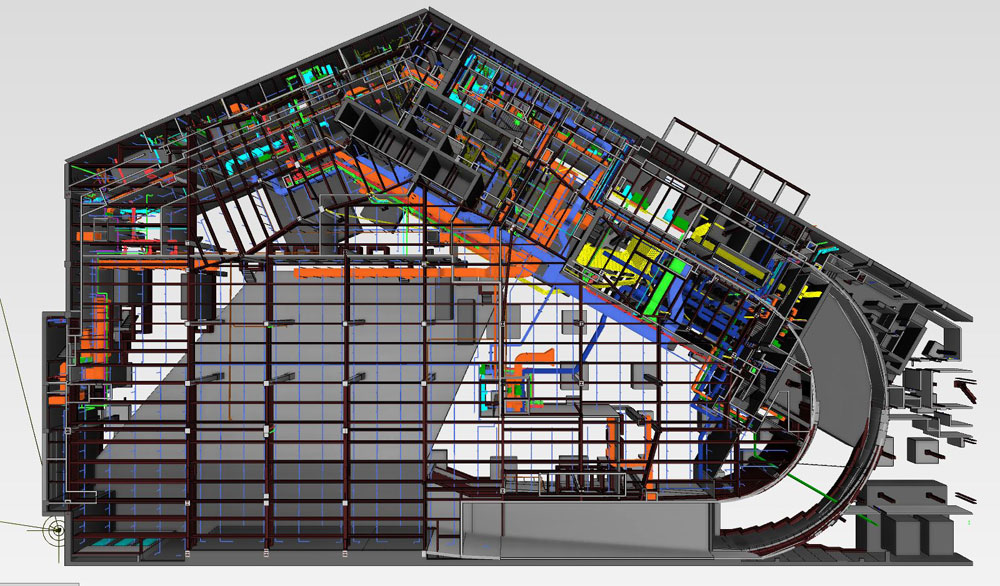
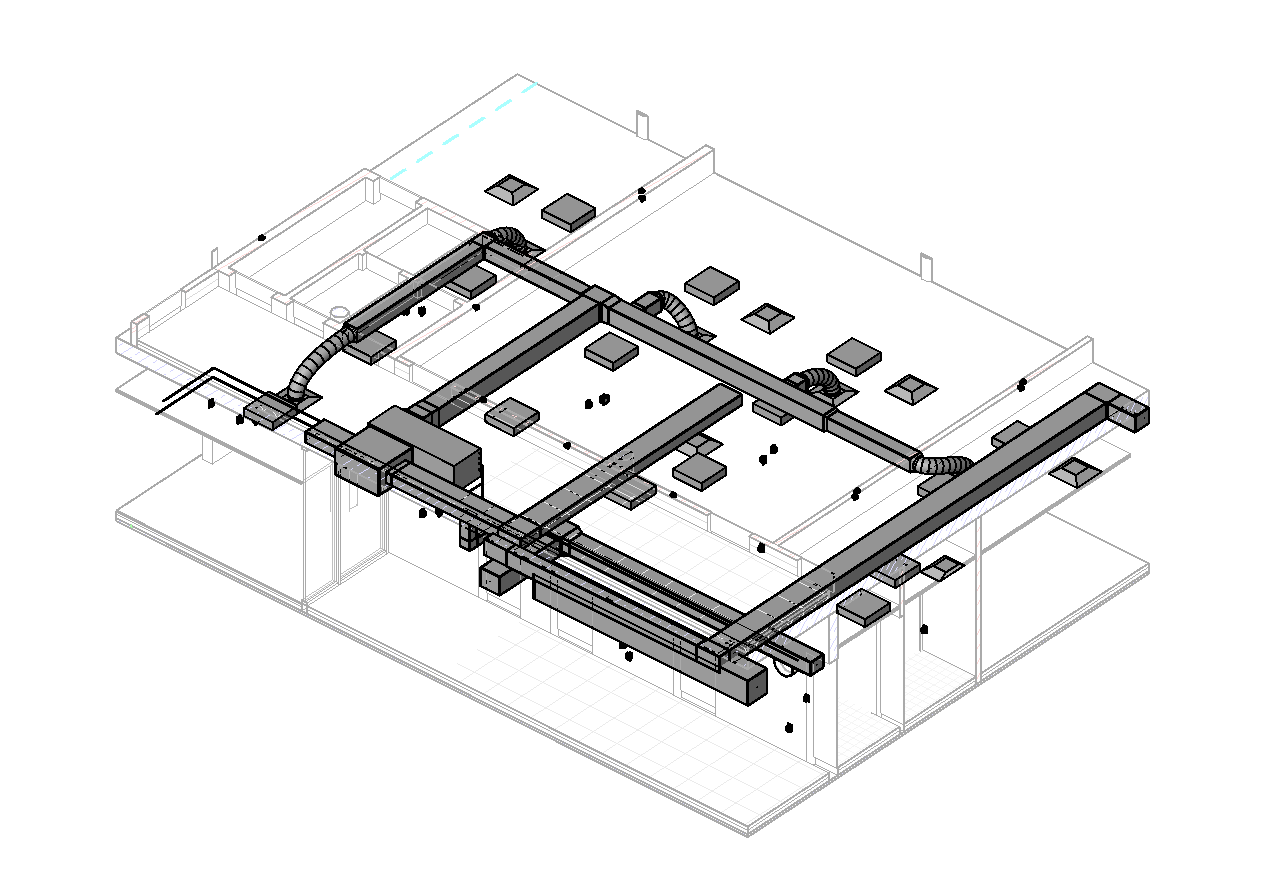
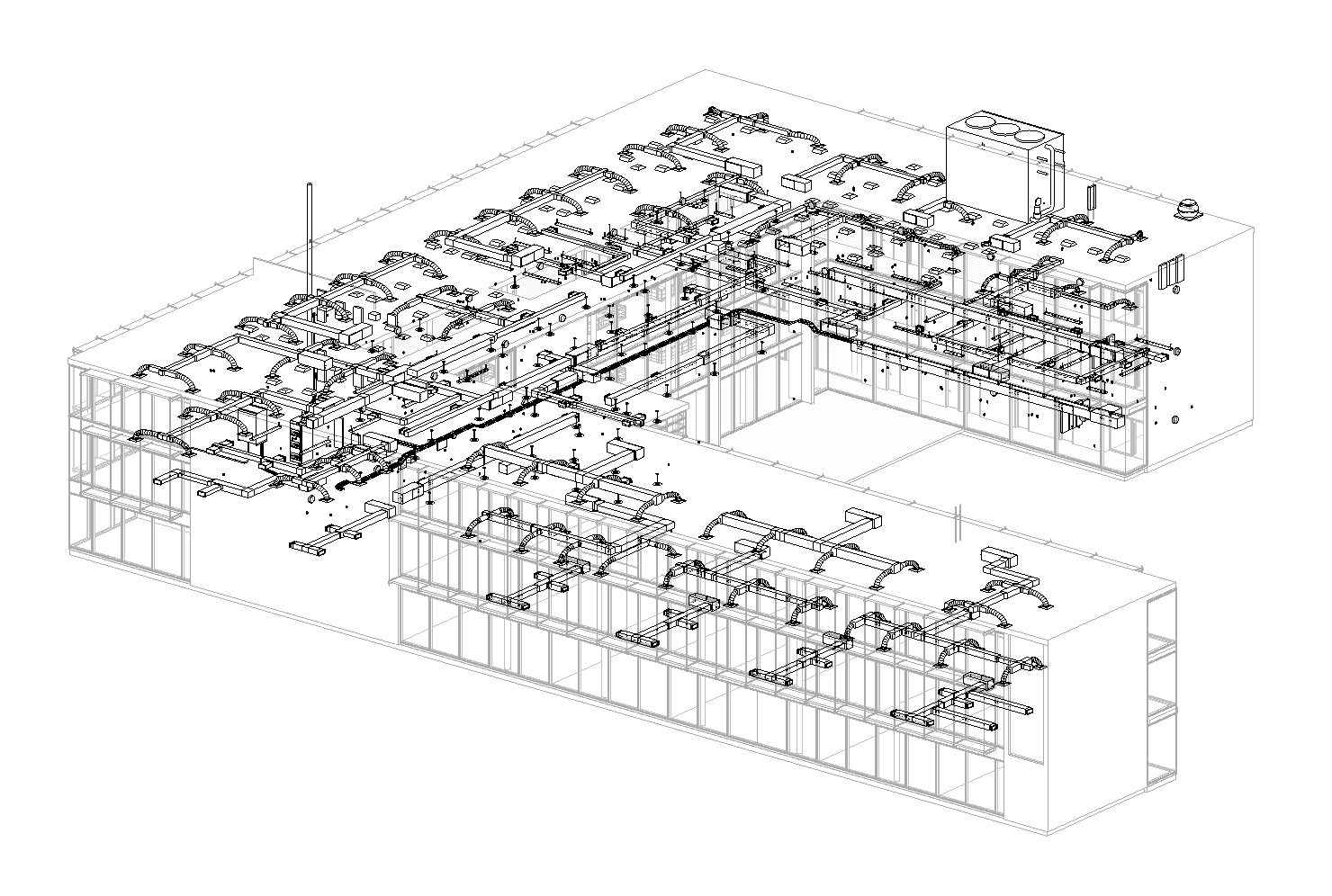
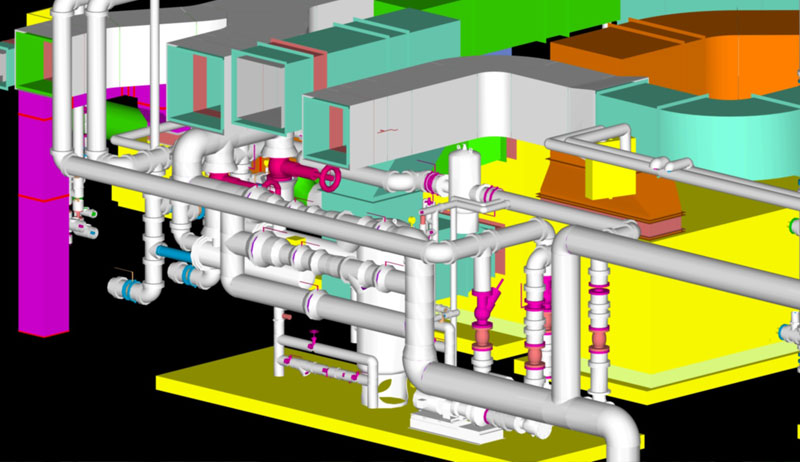
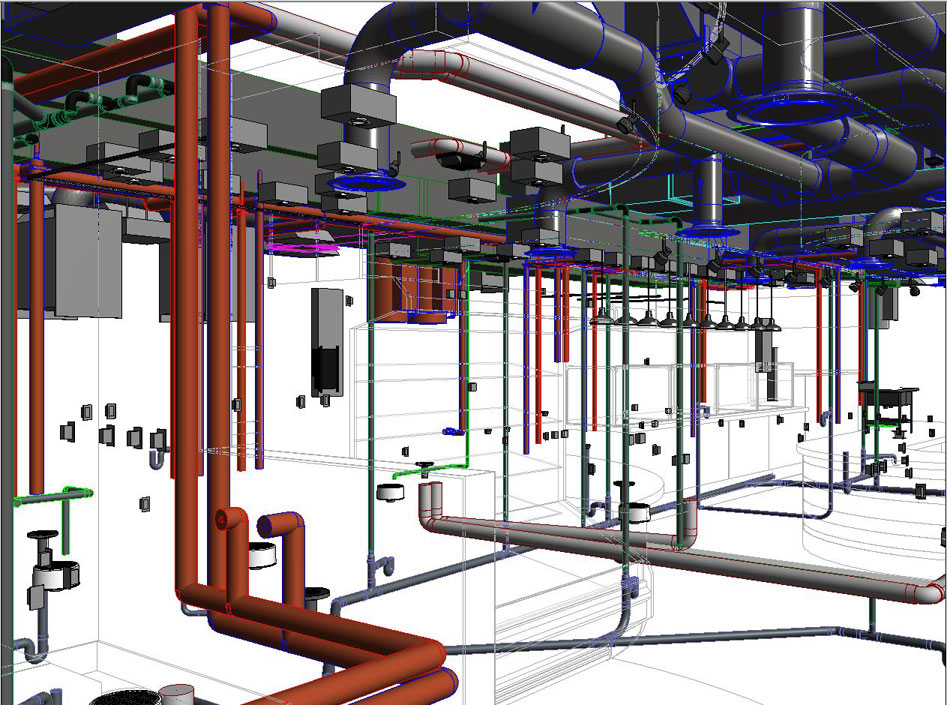
We model existing MEP systems in Dubai and the UAE from 3D laser scanning point clouds to support upgrades, rerouting, and integration with new works. This is ideal for retrofit and brownfield projects where ceiling voids and risers are congested and “as-designed” drawings don’t match reality.
Our MEP modeling from 3D survey data covers the elements that drive coordination: major duct runs, pipework, cable trays, equipment footprints, risers, and critical penetrations—organized properly in Revit. Where access or visibility is limited, we define scope clearly so the model remains dependable.
With MEP models built from a 3D laser scanning survey in Dubai, teams can plan routes earlier, reduce clashes, and improve installation sequencing. It also supports better quantities and more accurate tender pricing because geometry is tied to the real site.
Clash-Ready Models
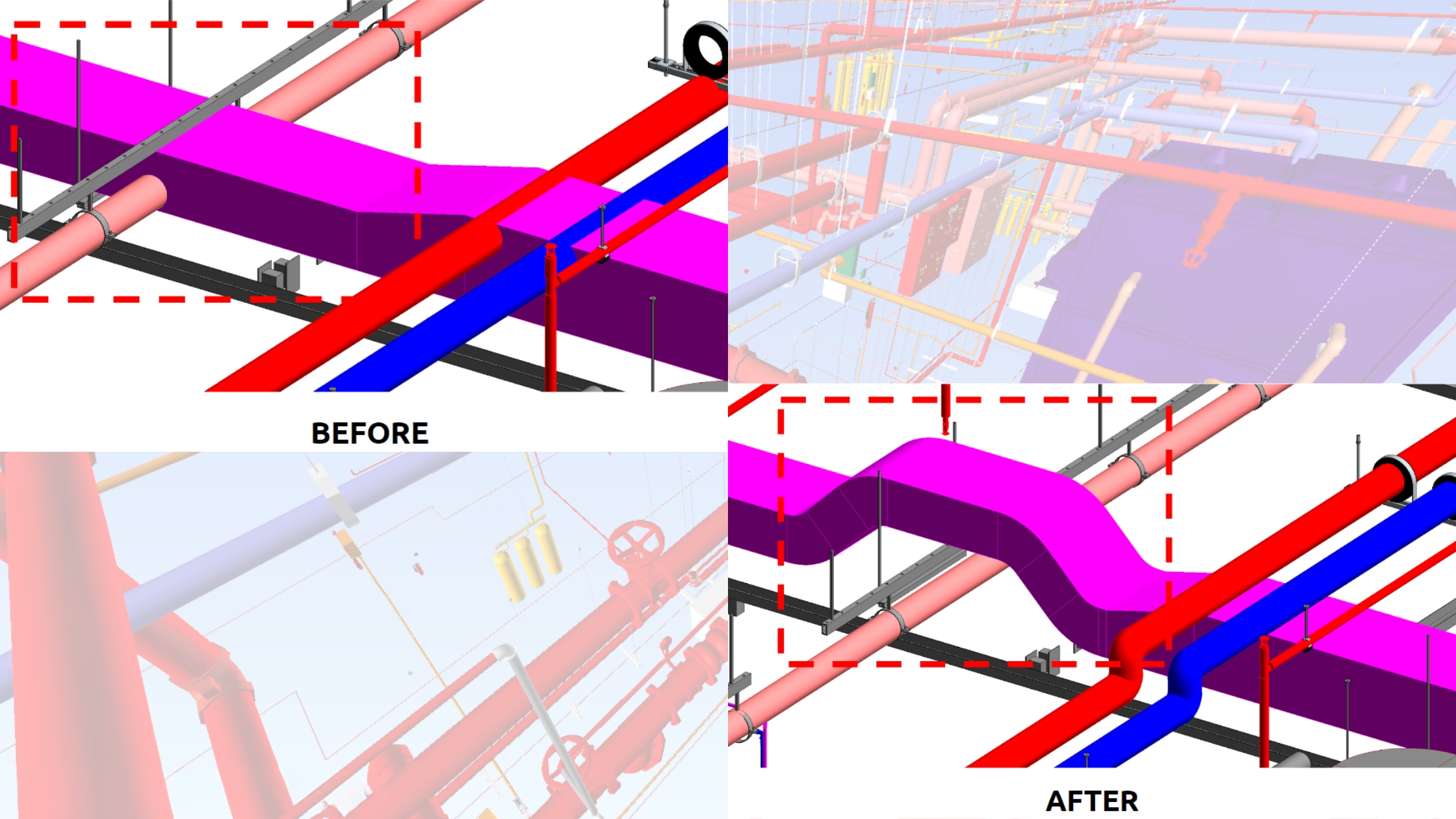
We deliver clash-ready BIM models in Dubai/UAE so coordination can start immediately in Navisworks, ACC, Revizto, or your preferred workflow. These models are built from 3D survey and 3D laser scanning data, structured for coordination outcomes—not just visual presentation.
We align disciplines to consistent coordinates, levels, and naming, then prepare categories so clash rules produce meaningful results. Clash checks can include comparing BIM geometry against the 3D laser scanning point cloud, validating what’s modeled versus what actually exists on site.
Clash-ready deliverables reduce coordination noise and help teams resolve issues earlier—before fabrication and before site installation. The result is fewer late changes, cleaner shop drawing cycles, and smoother construction planning in Dubai projects.
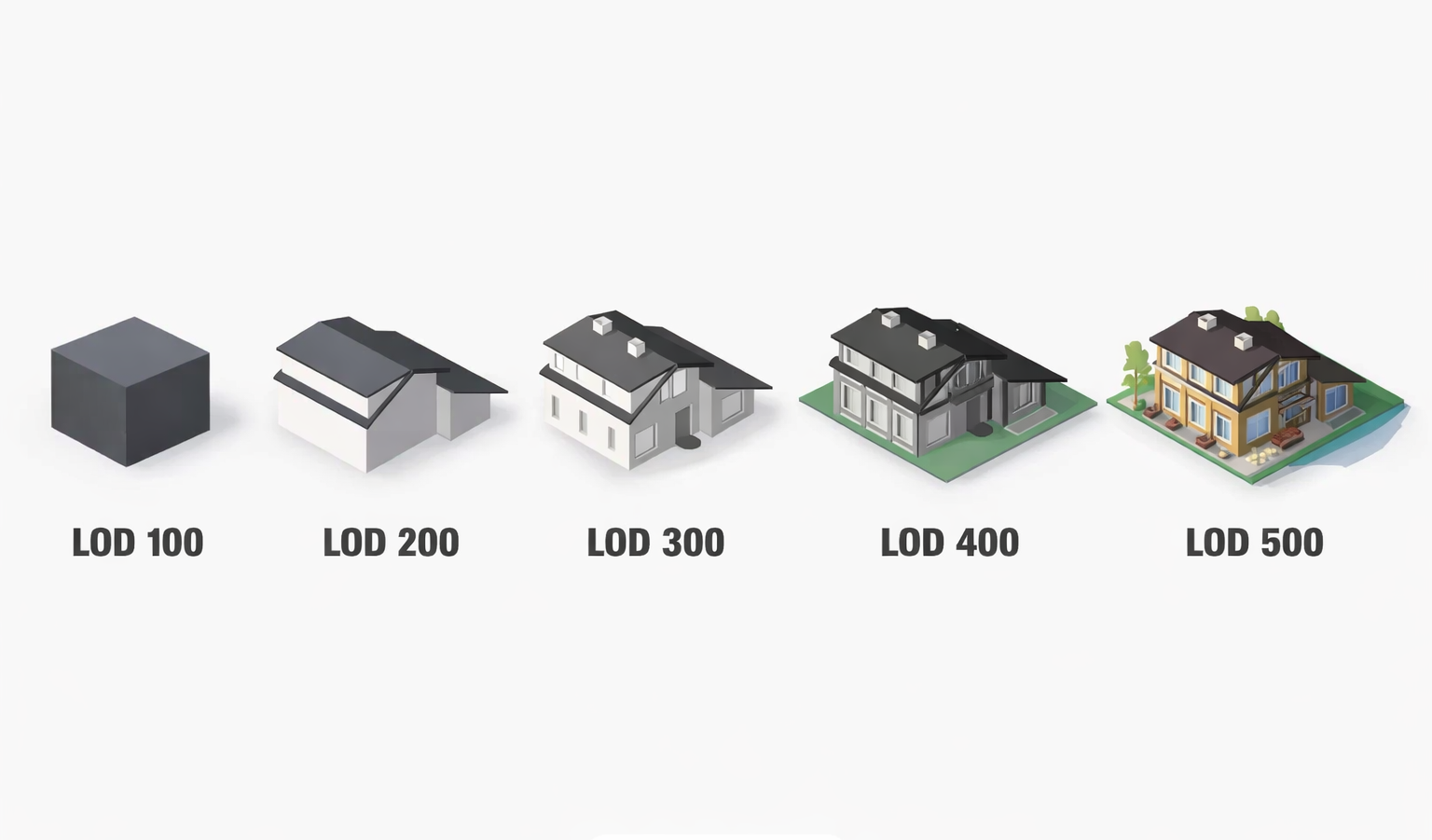
LOD 300–500
We build Scan-to-BIM models in Dubai to the LOD that matches your scope—typically LOD 300–500 depending on design stage and construction needs. Because the model is based on a 3D laser scanning survey, geometry reliability and tolerance expectations can be defined clearly at the start.
LOD 300 is commonly used for design development and spatial coordination, while LOD 400 supports fabrication-level intent where required, and LOD 500 is used for final as-built record models. The key is matching LOD to the decisions you need to make, not overbuilding the model.
We lock LOD, inclusions, and tolerances early so the BIM deliverable stays predictable in time and cost. This keeps the output practical for approvals, coordination, and construction planning across Dubai and the UAE.
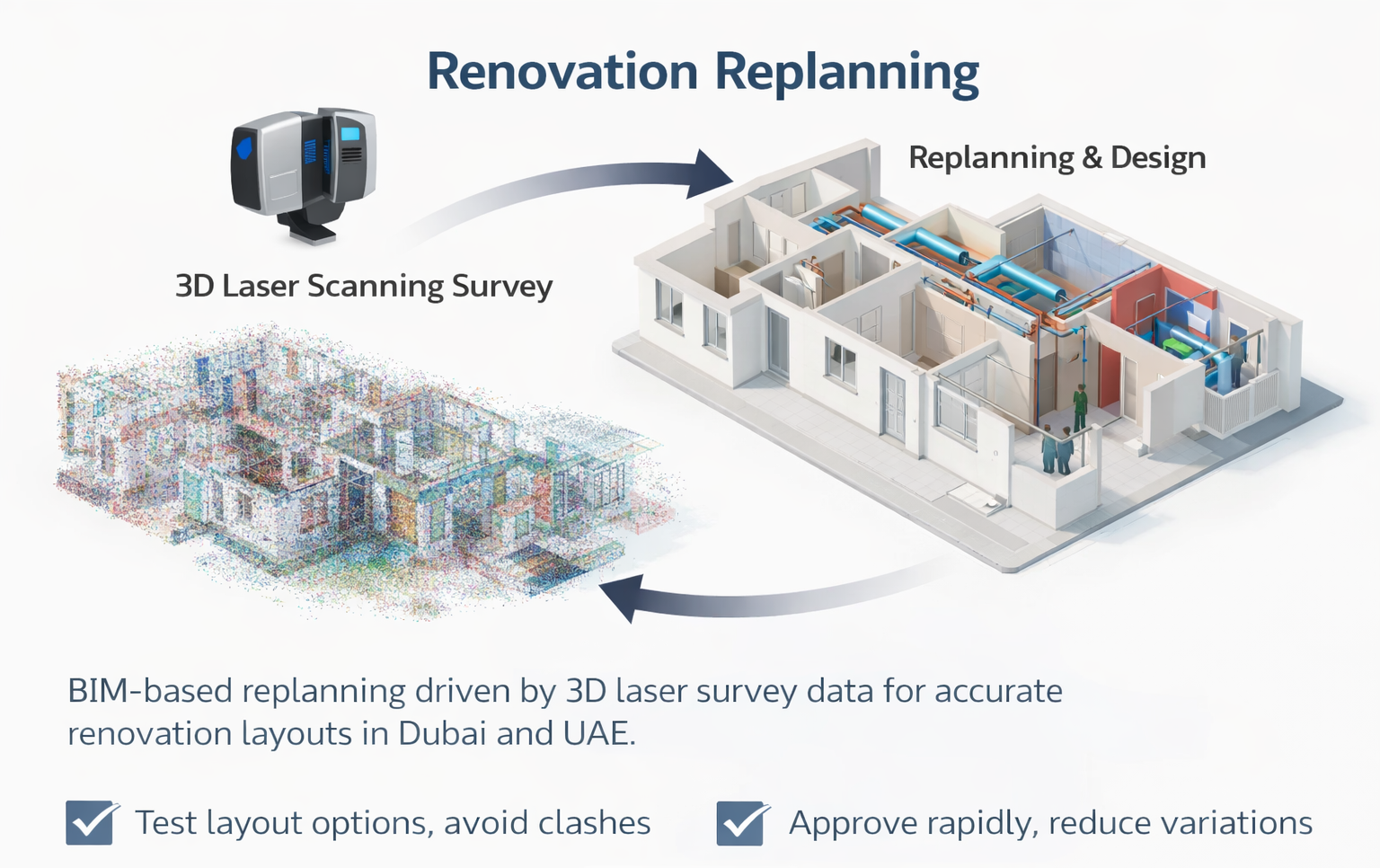
Renovation Replanning
For renovation projects in Dubai and the UAE, we scan first and redesign second—so replanning is driven by verified as-built geometry from a 3D laser scanning survey. This is critical in villas and apartments where ceiling heights, structural offsets, and hidden deviations affect layout changes and MEP routing.
Using the point cloud and BIM model from the 3D survey, architects and engineers can test layout options, confirm clearances, and plan new services with confidence. It becomes much easier to coordinate fit-out packages, avoid clashes in tight ceiling voids, and prevent late redesigns.
A scan-based replanning workflow in Dubai speeds up approvals and reduces variation orders because drawings and BOQs reflect real site conditions. The result is fewer surprises during demolition and installation, and a smoother path from concept to handover.